
Senior Pet Care in Hilliard, OH
At Hilliard Veterinary Hospital, we provide dedicated senior and geriatric pet care for aging dogs and cats in Hilliard, Ohio and the surrounding Columbus metro area. With thoughtful veterinary support, we help you care for your pet’s changing health needs throughout their senior years.

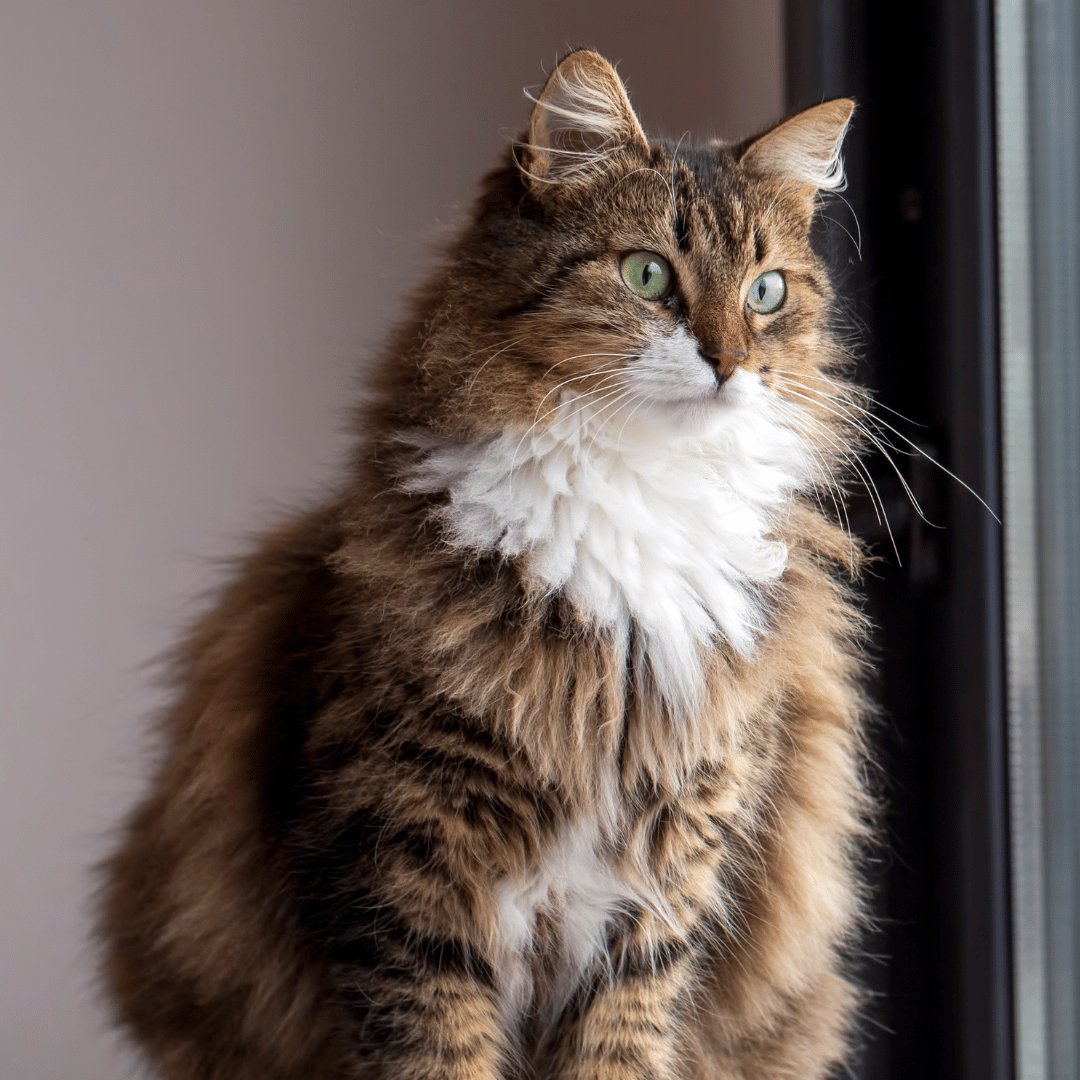
Supporting Your Pet Through Every Stage of Life
The bond between a pet and their family deepens over the years, but as your beloved companion grows older, their individual health needs can become more involved. At Hilliard Veterinary Hospital, we understand what’s at stake during this stage of your pet’s life—and we’re here to help you navigate it with confidence, compassion, and individualized veterinary care.
Senior pets have needs that differ meaningfully from their younger counterparts, and those needs can change quickly. Our team is experienced in recognizing and responding to the health shifts that come with age, helping your dog or cat maintain the best possible quality of life for as long as possible.
When Is a Pet Considered “Senior”?
Pets age faster than people, and the definition of “senior” varies depending on species and size. In general:
- Cats — Typically considered senior around age 10 to 11.
- Small and medium dogs — Generally considered senior around age 7 to 8.
- Large and giant breed dogs — May be considered senior as early as age 5 to 6.
Because aging happens more rapidly in pets than in people, health changes can develop and progress quickly. This is why increased veterinary monitoring and more frequent wellness exams become increasingly important as your pet gets older.


Common Health Concerns in Senior Pets
Aging pets are more susceptible to a range of health conditions, many of which may be managed effectively when identified early. Some of the most common concerns we monitor for in senior dogs and cats include:
- Arthritis and joint disease — Causing pain, stiffness, and decreased mobility.
- Kidney disease — One of the most frequently diagnosed conditions in older cats and dogs.
- Dental disease — Which we work to prevent through routine dental care.
- Thyroid disorders — Particularly hyperthyroidism in cats and hypothyroidism in dogs.
- Heart disease — Including valve disease and cardiomyopathy.
- Diabetes — Requiring careful dietary and medical management.
- Cognitive dysfunction — Sometimes referred to as canine or feline cognitive dysfunction syndrome, with symptoms similar to dementia in people.
- Cancer — The risk of which increases significantly with age.
- Weight changes — Both unexplained weight loss and obesity carry health implications in senior pets.
Many of these conditions develop gradually and may not produce obvious symptoms until they’ve progressed. Ongoing monitoring, including through our in-house laboratory testing and imaging services, is the most reliable way to catch them early.
Our Approach to Senior Pet Care
At Hilliard Veterinary Hospital, we tailor our senior care recommendations to each individual patient—because no two aging pets are exactly alike. For most senior dogs and cats, we recommend wellness exams every six months rather than annually, giving our team more frequent opportunities to detect and respond to changes in your pet’s health.
A comprehensive senior wellness visit at our hospital may include:

Physical Examination
A thorough head-to-tail assessment with particular attention to mobility, organ size and texture, lymph nodes, dental health, and weight.

Blood Testing
Routine blood panels help us monitor kidney and liver function, thyroid levels, blood sugar, and other key indicators of organ health—many of which shift as pets age.

Urinalysis
Urine testing provides valuable information about kidney function and can help detect early signs of diabetes, infection, and other conditions.

Blood Pressure Monitoring
Hypertension is common in older pets, particularly cats with kidney disease or hyperthyroidism, and often goes undetected without specific screening.

Dental Evaluation
Oral health tends to decline with age, and untreated dental disease can contribute to systemic health problems. We assess your pet’s teeth and gums at every senior visit.

Digital X-Rays
Imaging may be recommended to monitor changes in the heart, lungs, joints, or abdominal organs over time.

Nutritional Guidance
Dietary needs shift as pets age, and our team can recommend appropriate diets and portion adjustments to support your senior pet’s health.

Pain Assessment
We screen for signs of chronic pain—particularly from arthritis—and discuss management options that may help improve your pet’s comfort and mobility.
Caring for a Senior Pet at Home
There’s a lot you can do between veterinary visits to support your aging companion.
When in doubt, call us. Our team would always rather answer a question than have a concern go unaddressed.
Some things to keep in mind:
- Watch for subtle changes — Decreased appetite, increased thirst or urination, changes in sleep patterns, reluctance to jump or climb stairs, and shifts in behavior can all be early signs of an underlying condition.
- Maintain a consistent routine — Older pets often do best with predictable schedules for meals, exercise, and rest.
- Support joint comfort — Orthopedic beds, ramps, and non-slip surfaces can make a meaningful difference for pets with arthritis.
- Keep up with dental care — Regular toothbrushing and professional cleanings remain important as pets age.
- Stay current on wellness visits — Twice-yearly exams are one of the most impactful things you can do for a senior pet’s health.
Quality of Life:Our North Star
In senior pet care, quality of life is central to our approach to senior pet care. Our team approaches every aging patient with this principle at the center of our recommendations. We’re not just looking at lab values and vital signs—we’re thinking about how your pet feels day to day, whether they’re comfortable, engaged, and able to enjoy the things they love.
We partner closely with pet owners to ensure that care decisions reflect your pet’s individual situation and your family’s values. Whether that means managing a chronic condition, adjusting a medication, or simply providing guidance on keeping an arthritic dog comfortable at home, we’re here to help in whatever way serves your pet best.
Senior Pet Care FAQs
How often should my senior pet see the vet?
We recommend wellness exams every six months for most senior pets. More frequent visits may be appropriate if your pet is managing an ongoing health condition. Early and regular monitoring gives us the best opportunity to catch and address changes promptly.
My pet seems fine—do they really need more frequent checkups?
Yes. Many age-related conditions develop silently, without obvious symptoms, until they’ve progressed significantly. Twice-yearly exams allow us to identify these changes at a stage when intervention is most effective.
How can I tell if my senior pet is in pain?
Pets are instinctively good at masking discomfort. Signs of pain in older pets can be subtle and include reduced activity, reluctance to jump or climb, changes in posture, decreased grooming, altered facial expressions, and withdrawal from interaction. If you notice any of these changes, let our team know.
What should I feed my senior pet?
Nutritional needs shift significantly with age. Senior pets may benefit from lower-calorie formulas, diets that support joint health, kidney-supportive foods, or other specialized options depending on their health status. Our team can make a personalized recommendation based on your pet’s condition and bloodwork results.
Is it safe for my senior pet to have surgery or anesthesia?
Age alone is not a disqualifier for surgery or anesthesia. With thorough pre-surgical screening, individualized anesthetic protocols, and careful monitoring, many senior pets do very well. We evaluate each patient individually and discuss the risks and benefits honestly before recommending any procedure.
My senior pet has been diagnosed with a chronic condition—what now?
A chronic diagnosis is not the end of the road. Many conditions common in older pets—including kidney disease, diabetes, hyperthyroidism, and arthritis—are very manageable with the right treatment plan. Our team will work with you to develop a care strategy that supports your pet’s quality of life for as long as possible.
Growing Older Together
The senior years are a gift—a time to honor the love and loyalty your pet has given you throughout their life. At Hilliard Veterinary Hospital, we’re privileged to walk alongside aging pets and their families during this meaningful chapter. Our experienced team brings clinical expertise, genuine compassion, and a deep respect for the bond you share with your companion to every senior care visit. We’re proud to support the aging pets of our community with the attentive, individualized care they deserve.
Veterinary Services
Pet Wellness Exams
Pet Parasite Control
Pet Laboratory Testing
Pet Soft Tissue Surgery