
Pet Microchipping in Hilliard, OH
At Hilliard Veterinary Hospital, we offer safe, affordable dog and cat microchipping for pets in Hilliard, Ohio, and the surrounding Columbus metro area. A microchip is one of the simplest, most reliable ways to help protect your pet—and it can provide valuable peace of mind if they ever become lost.

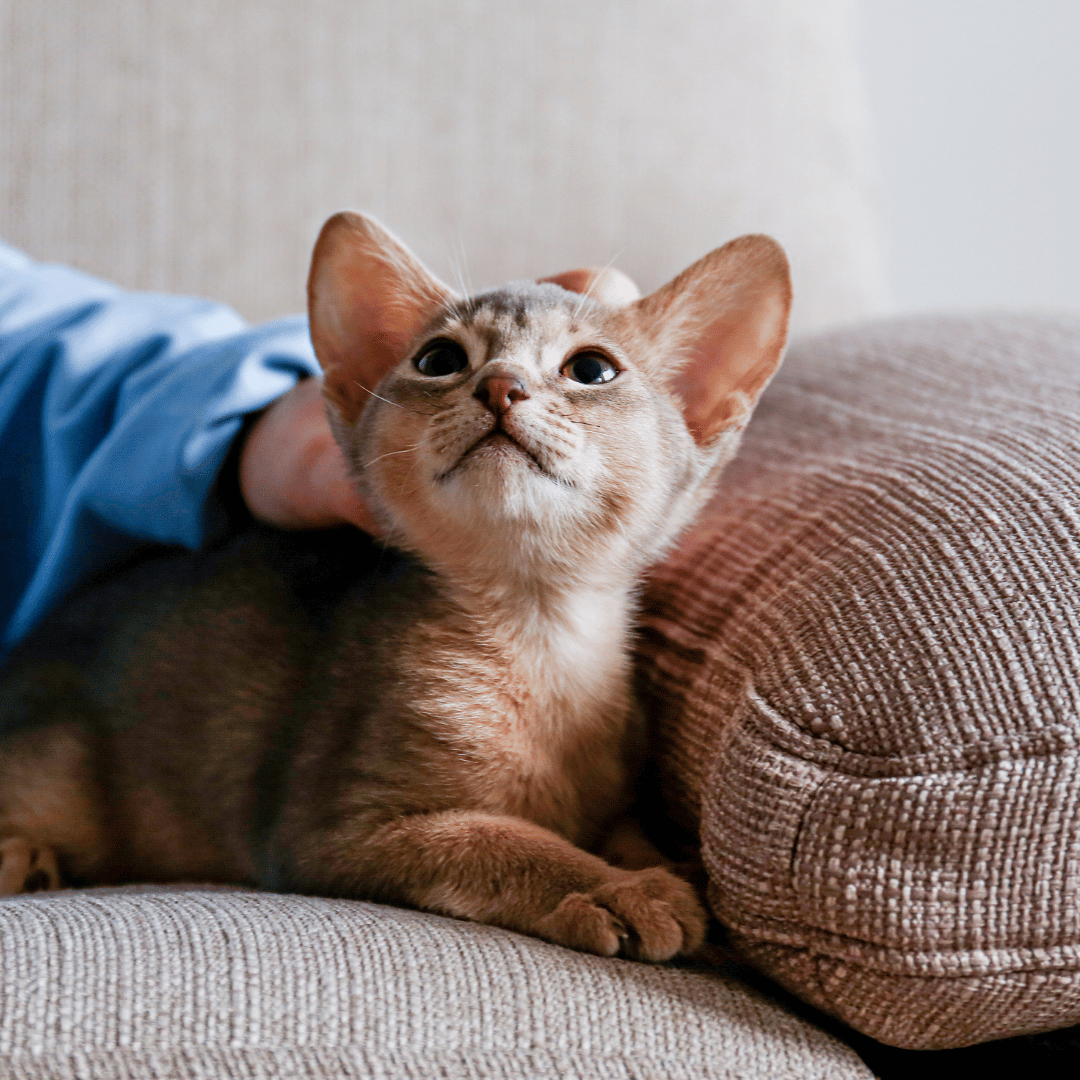
A Small Chip That Makes a Big Difference
Collars can slip off. Tags can wear away or go missing. But a microchip stays with your pet for life. Microchipping is one of the most effective tools available for reuniting lost pets with the families who love them—and at Hilliard Veterinary Hospital, we make it easy and accessible for every dog and cat in our care.
We use HomeAgain microchip products, a trusted leader in pet recovery technology, to help improve the chances of being reunited with you if they’re ever lost.
How Pet Microchipping Works
Dog and cat microchipping is a quick, straightforward procedure that requires no anesthesia and no recovery time. It can typically be performed as part of a routine wellness exam, without requiring an additional appointment.
Here’s what the process looks like:

The Chip
Each microchip is about the size of a grain of rice—roughly 12mm—and contains a unique identification code linked to your contact information in a national pet recovery database.

The Procedure
The microchip is injected beneath the surface of your pet’s skin, between the shoulder blades. The process is similar to a routine vaccination—it takes only a few seconds, and most pets barely react.

Registration
After the microchip is implanted, it’s important to register your contact information—and to keep it updated any time you move or change phone numbers. Our team will walk you through the registration process at the time of your pet’s appointment.

If Your Pet Goes Missing
If your lost pet is brought to an animal shelter or veterinary clinic, staff will scan for a microchip. The unique ID code is used to look up your contact information in the registry, allowing them to reach you and reunite you with your pet.
Why Microchipping Matters
Even the most careful, attentive pet owners can find themselves in the stressful situation of a lost pet. Doors get left open, fences develop gaps, and curious animals find their way out in ways we don’t always anticipate. A microchip doesn’t prevent your pet from getting lost—but it dramatically increases the likelihood that they’ll make it back home safely.
Key benefits of pet microchipping include:
- Permanent, tamper-proof identification that lasts your pet’s lifetime
- Quick, nearly painless procedure with no anesthesia required
- Recognized and scannable at shelters and veterinary clinics nationwide
- Works in situations where collars and tags have been lost or removed
- Significantly improves the odds of being reunited with a lost pet
Affordable Microchipping at Hilliard Veterinary Hospital
We believe every pet deserves the protection a microchip provides, which is why we offer low-cost pet microchipping as part of our commitment to accessible, comprehensive care. The procedure can be performed during a routine wellness visit or as a standalone appointment—whatever works best for you and your pet.
Pet Microchipping FAQs
Does microchipping hurt?
The procedure is very quick and feels similar to a routine vaccination. Most pets show little to no reaction. No anesthesia or sedation is required.
Does a microchip work like a GPS tracker?
No. A microchip is a passive device—it doesn’t emit a signal or track your pet’s location in real time. It can only be read when scanned by a compatible device. For real-time tracking, a GPS collar can be used in addition to a microchip.
What if my contact information changes?
It’s important to keep your microchip registration up to date. If you move or change your phone number, update your information in the HomeAgain registry to ensure you can be reached if your pet is ever found.
Can any vet or shelter scan my pet’s microchip?
Yes. Universal microchip scanners are standard equipment at most veterinary clinics and animal shelters across the country.
Is my pet too old to be microchipped?
No. Pets of any age can be microchipped. The procedure is the same regardless of your pet’s age, and it’s never too late to add this layer of protection.
Can the microchip move after implantation?
Microchips can occasionally migrate slightly from the original implantation site, but they remain readable and functional. Scanners are designed to detect chips even if they’ve shifted from the shoulder blade area.
Lasting Protection for the Pets You Love
A microchip is a one-time procedure that provides permanent identification for your pet throughout their lifetime—and at Hilliard Veterinary Hospital, we’re proud to offer it as part of our commitment to keeping dogs and cats in our community safe. It’s a small step that can make an enormous difference when it matters most.
Veterinary Services
Pet Wellness Exams
Pet Parasite Control
Pet Laboratory Testing
Pet Soft Tissue Surgery